Biography

Early life & Education

Early life

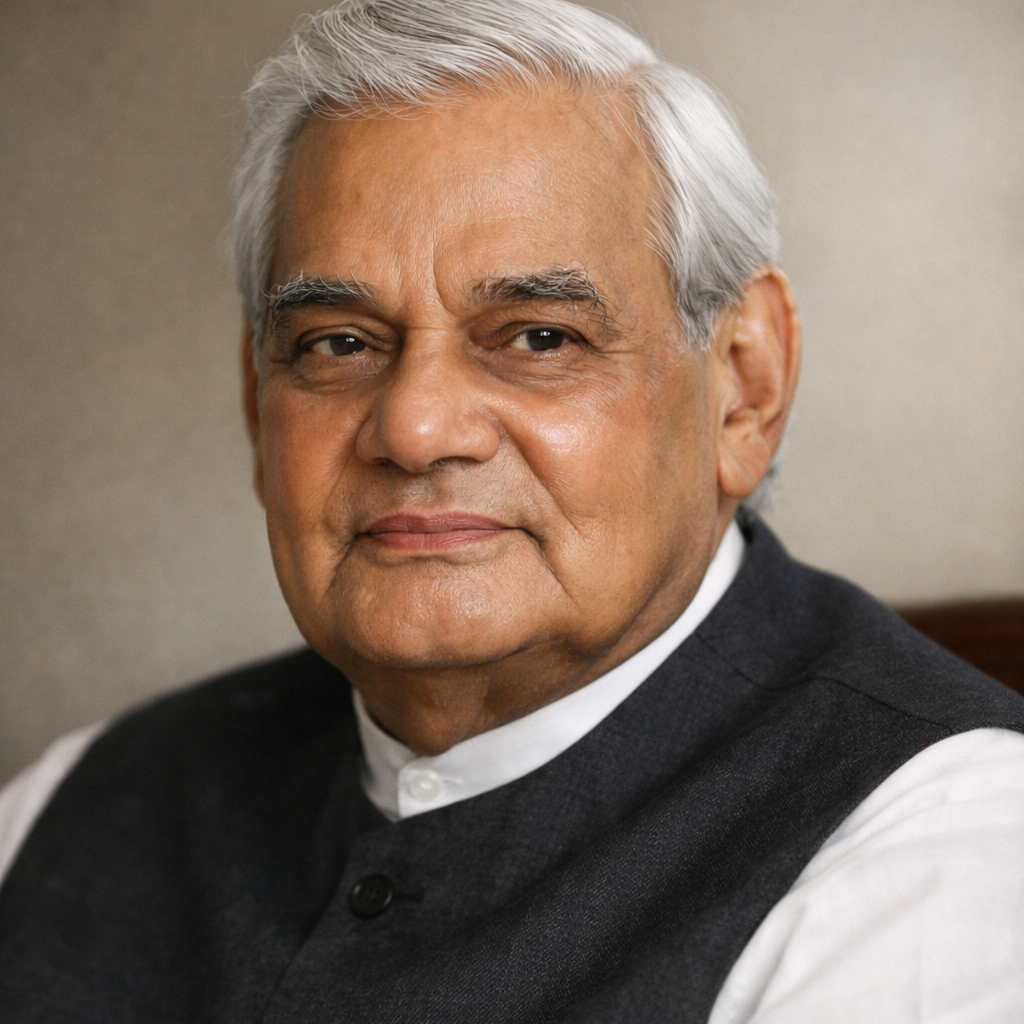
Born on 25 December 1924 in Gwalior, Madhya Pradesh, Atal Ji grew up in a culturally rich and disciplined environment. Passionate about literature and public service from a young age, he developed early interest in poetry and national affairs.

Education

Educated at Victoria College (now Laxmi Bai College) and DAV College, Kanpur, he pursued literature and social sciences, emerging as a powerful orator and youth leader.

Political journey and leadership roles

1942

Joined Quit India Movement

Inspired by the freedom struggle, Atal Ji actively participated in student-led protests against British rule.

1957

Entered Parliament

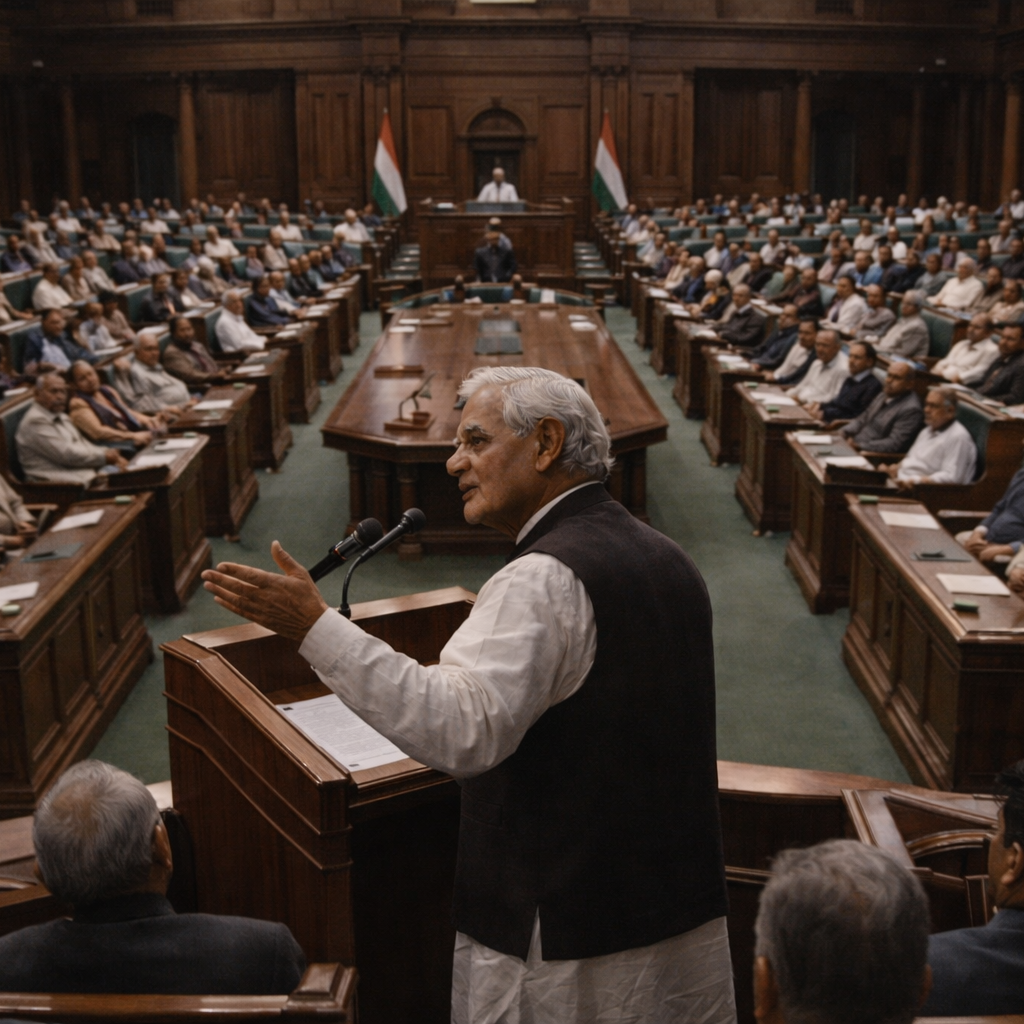
Elected to Lok Sabha, he quickly gained national respect for powerful speeches and democratic values.

1980

Co-founded BJP

Played a pivotal role in forming BJP, shaping its ideology and building strong nationwide organization.

1996

First term as Prime Minister

Assumed leadership as Prime Minister, demonstrating calm, consensus-driven governance focused on national stability.

1998–2004

Historic leadership and reforms

Led transformative reforms, nuclear tests, infrastructure expansion, and diplomatic initiatives strengthening India globally.

Contributions as Prime Minister

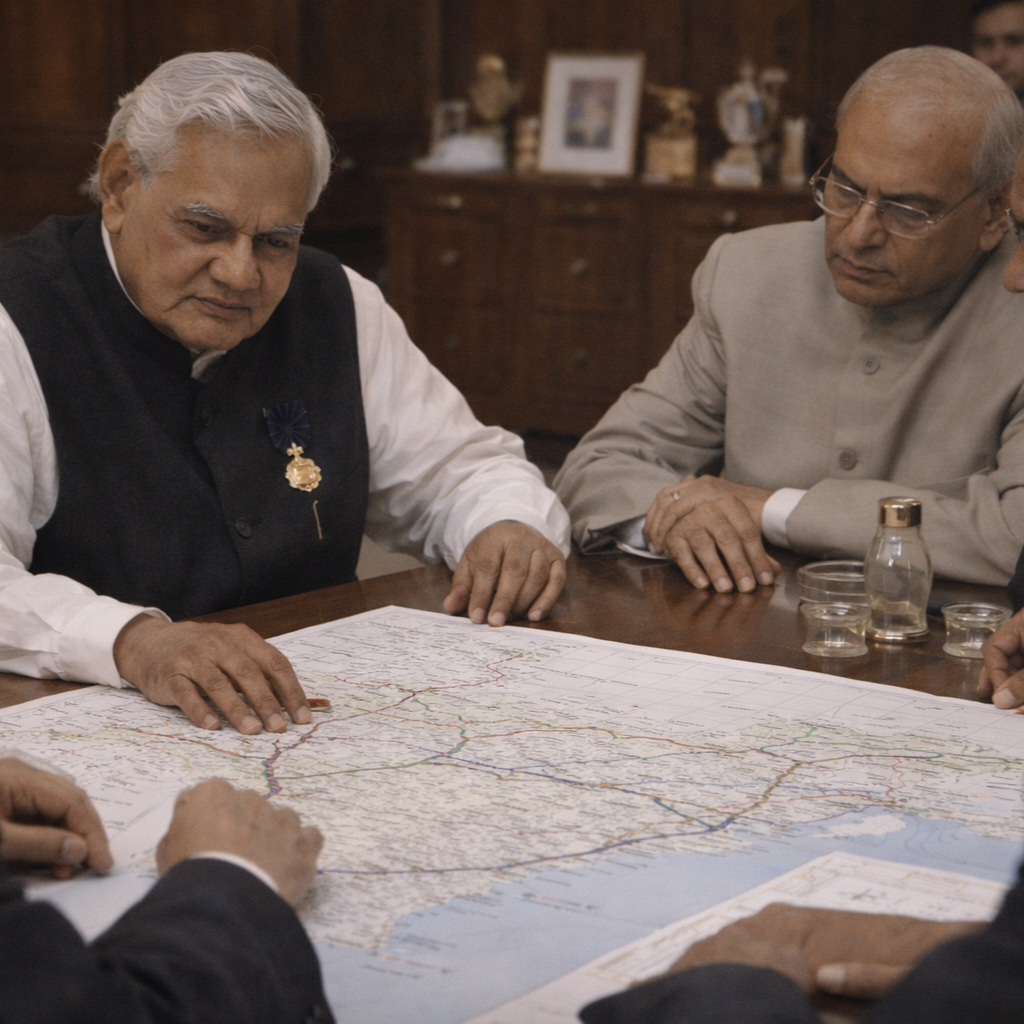
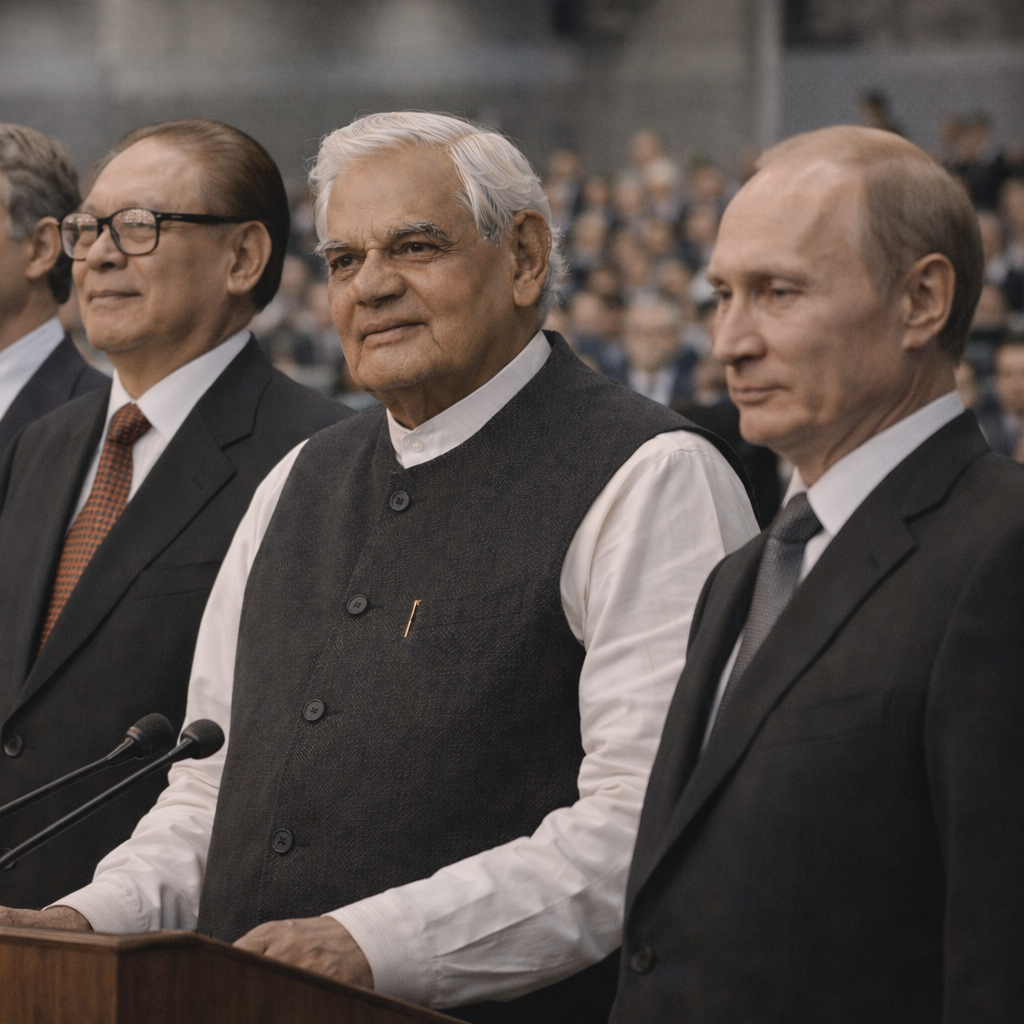
Atal Bihari Vajpayee’s tenure as Prime Minister marked a transformative era in India’s political and economic landscape. Under his leadership, India conducted the historic Pokhran-II nuclear tests, establishing the nation as a global power with strategic strength. He initiated bold diplomatic efforts with neighboring countries, including the Lahore Bus Initiative, demonstrating his commitment to peace while safeguarding national security. His government emphasized stability, consensus-building, and democratic values, earning respect across party lines.

Vajpayee also launched major development and economic reforms that strengthened India’s future. His visionary projects such as the Golden Quadrilateral highway network and Pradhan Mantri Gram Sadak Yojana revolutionized infrastructure and connectivity. He encouraged technological growth, boosting IT and telecom industries, and laid foundations for long-term economic expansion. His leadership continues to be remembered for progress-focused governance rooted in compassion, integrity, and national pride.

Key national reforms and achievements

1998 — Pokhran-II Nuclear Tests

Strengthened national security and established India as a recognized nuclear power.

1999 — Golden Quadrilateral Project

Revolutionized connectivity through modern highway network across major cities.

2000 — Gram Sadak Yojana

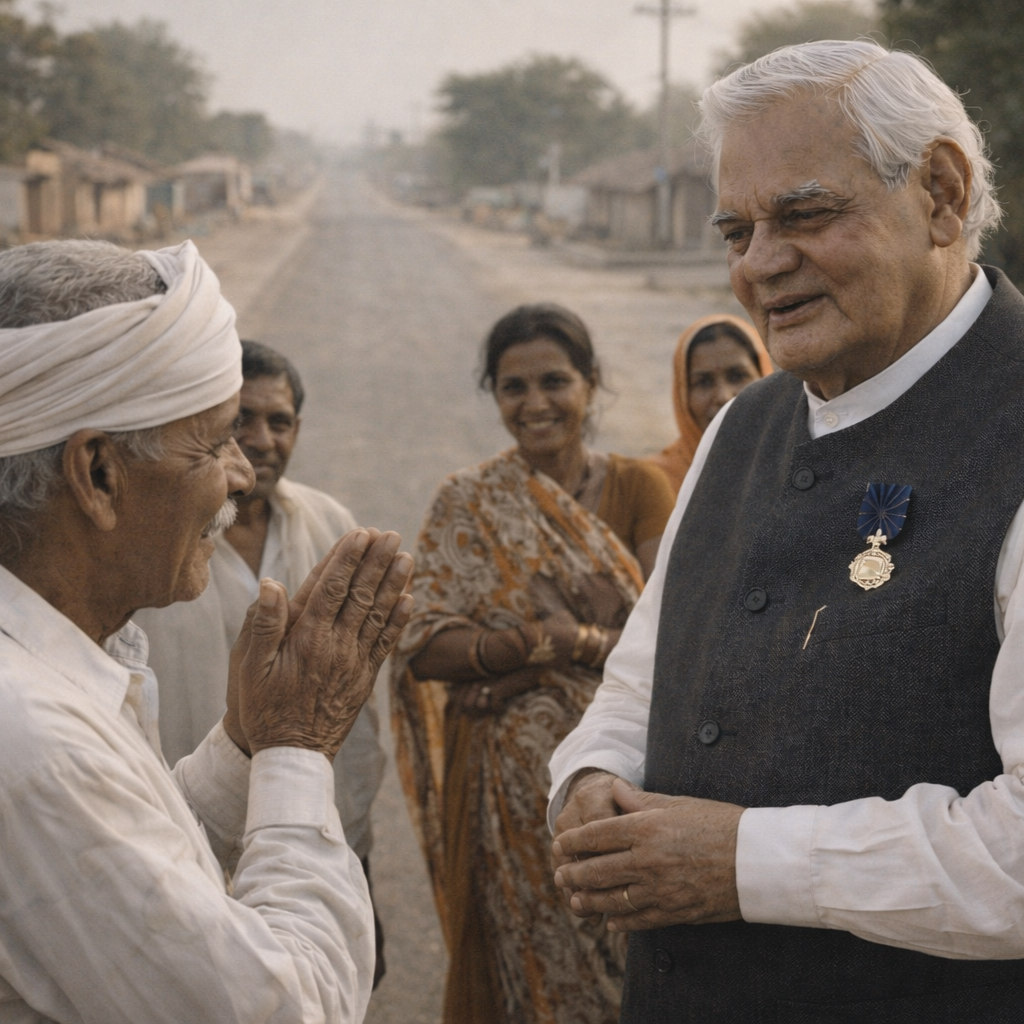
Improved rural infrastructure and connected remote villages through all-weather roads.

2000–2003 — Economic & Telecom Reforms

Boosted IT growth, expanded telecom access, encouraged investment, and modernized economy.

Awards & Honours Celebrating a Lifetime of Exceptional Leadership

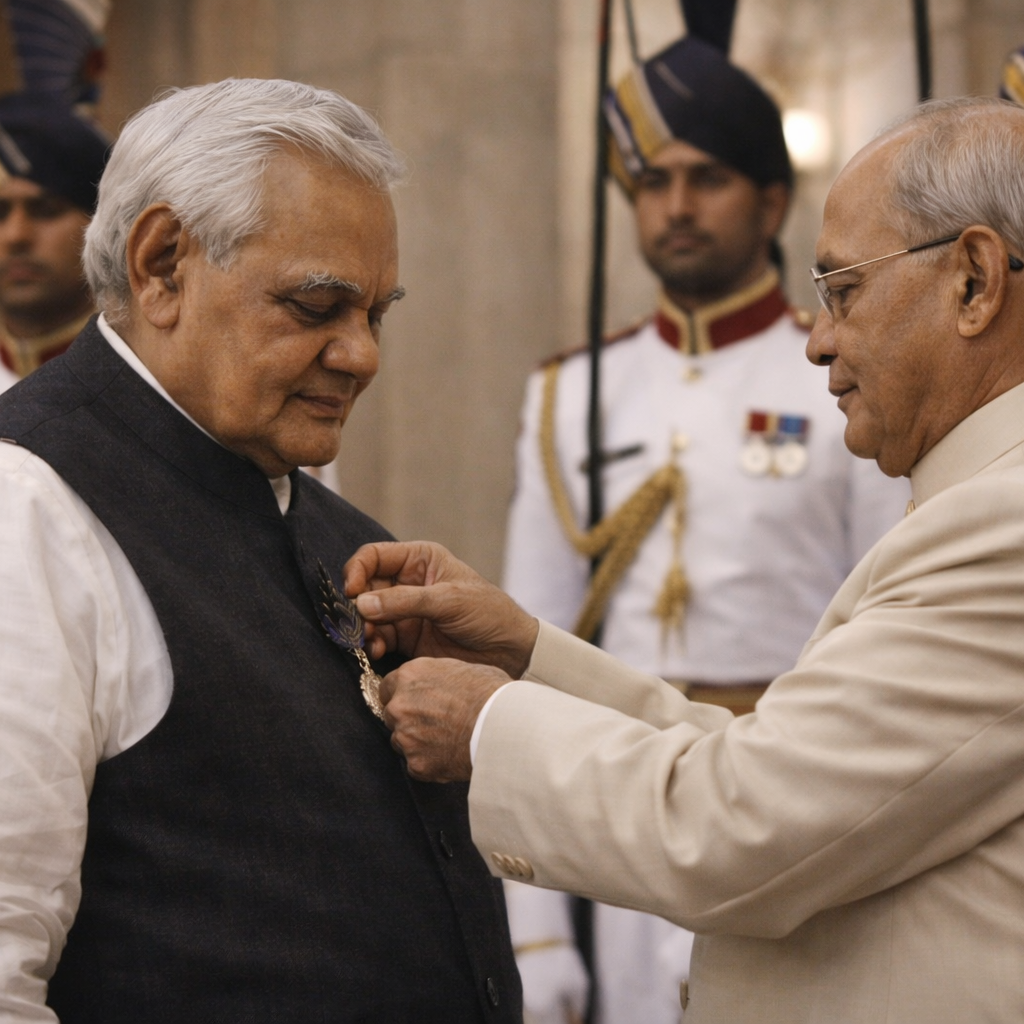
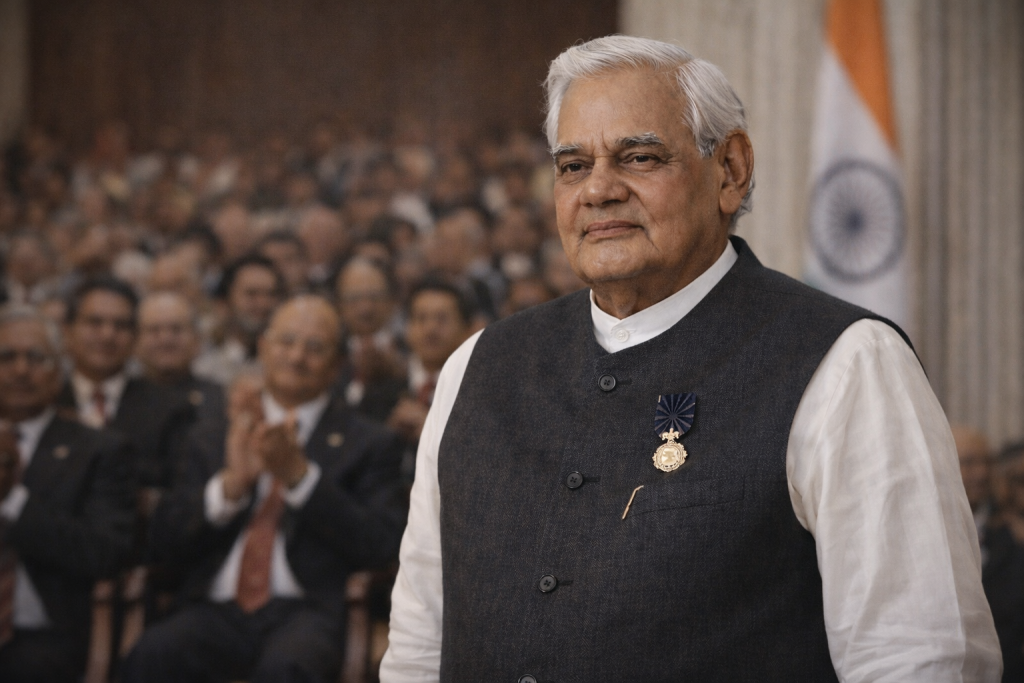
Atal Bihari Vajpayee received some of India’s highest national recognitions, including the Bharat Ratna, celebrating his extraordinary leadership, statesmanship, and lifelong dedication to strengthening democracy, peace, and national development.

Bharat Ratna

2015

Padma Vibhushan

1992

Best Parliamentarian

1994

Lokmanya Tilak

1994

Final Years and Remembrance

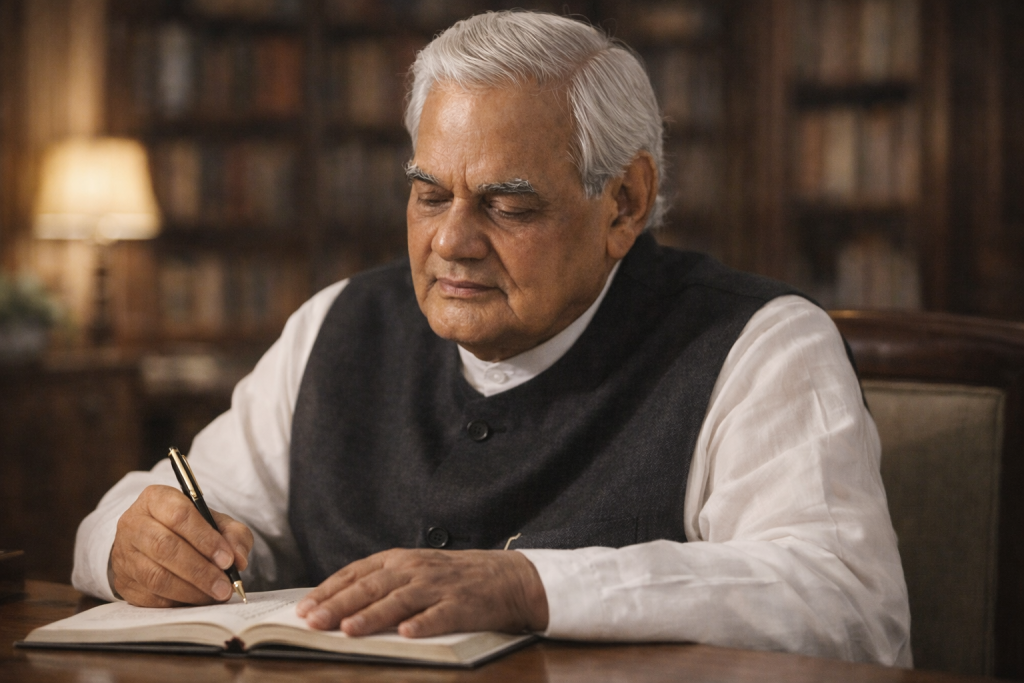
In his final years, Atal Bihari Vajpayee faced health challenges but remained mentally sharp and widely respected. Despite reduced public appearances, he continued to inspire the nation through his writings, poetry, and reflections on politics, culture, and national unity. He spent his later years in New Delhi, surrounded by family and close associates, continuing to serve as a moral and guiding figure for India’s leadership.

Vajpayee passed away on 16 August 2018, leaving behind a rich legacy of visionary leadership, integrity, and eloquence. The nation paid homage with widespread mourning, state honors, and tributes from leaders across political parties and the world. His life is commemorated through institutions, memorials, and awards, ensuring that his ideals of democracy, peace, and national development continue to inspire future generations.
Scroll to Top