Vision, Ideology & Major Initiatives
- Home
- Vision, Ideology & Major Initiatives
National Integration & Foreign Policy Vision
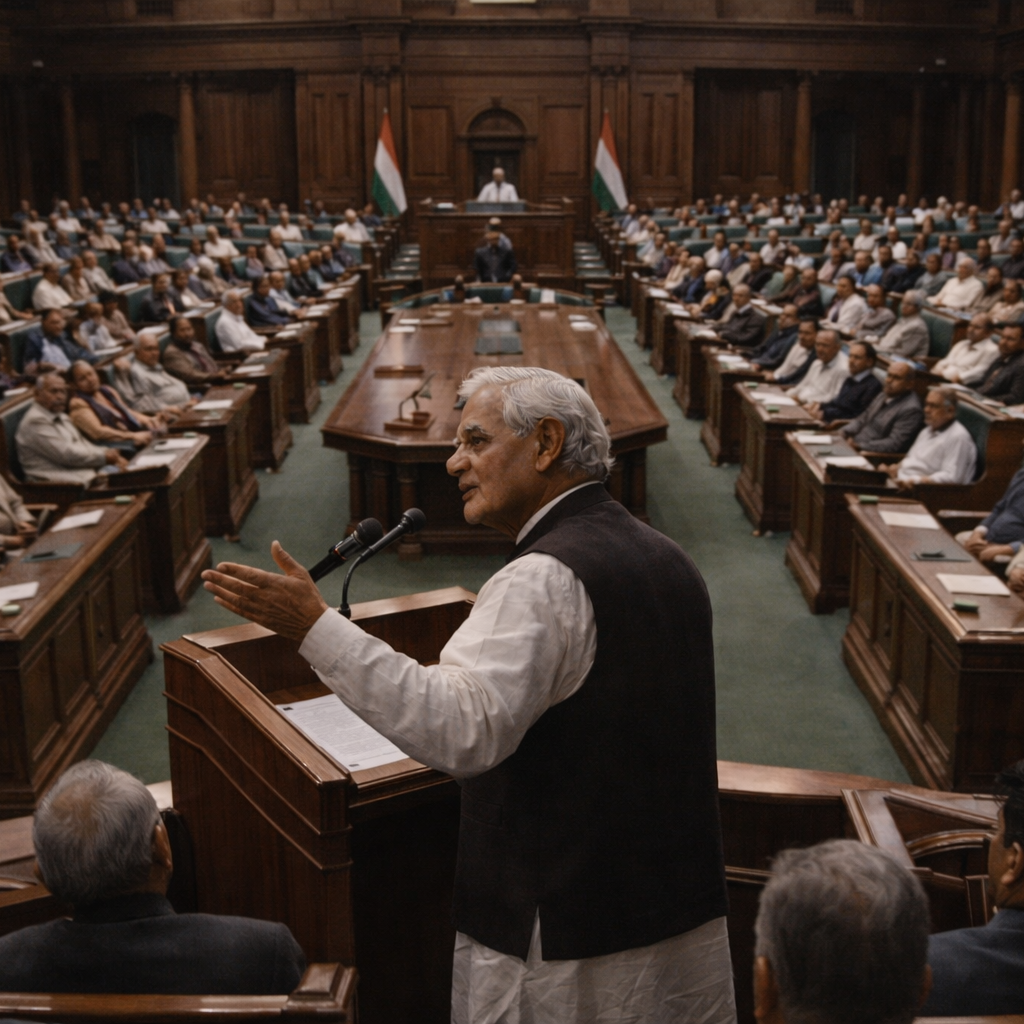
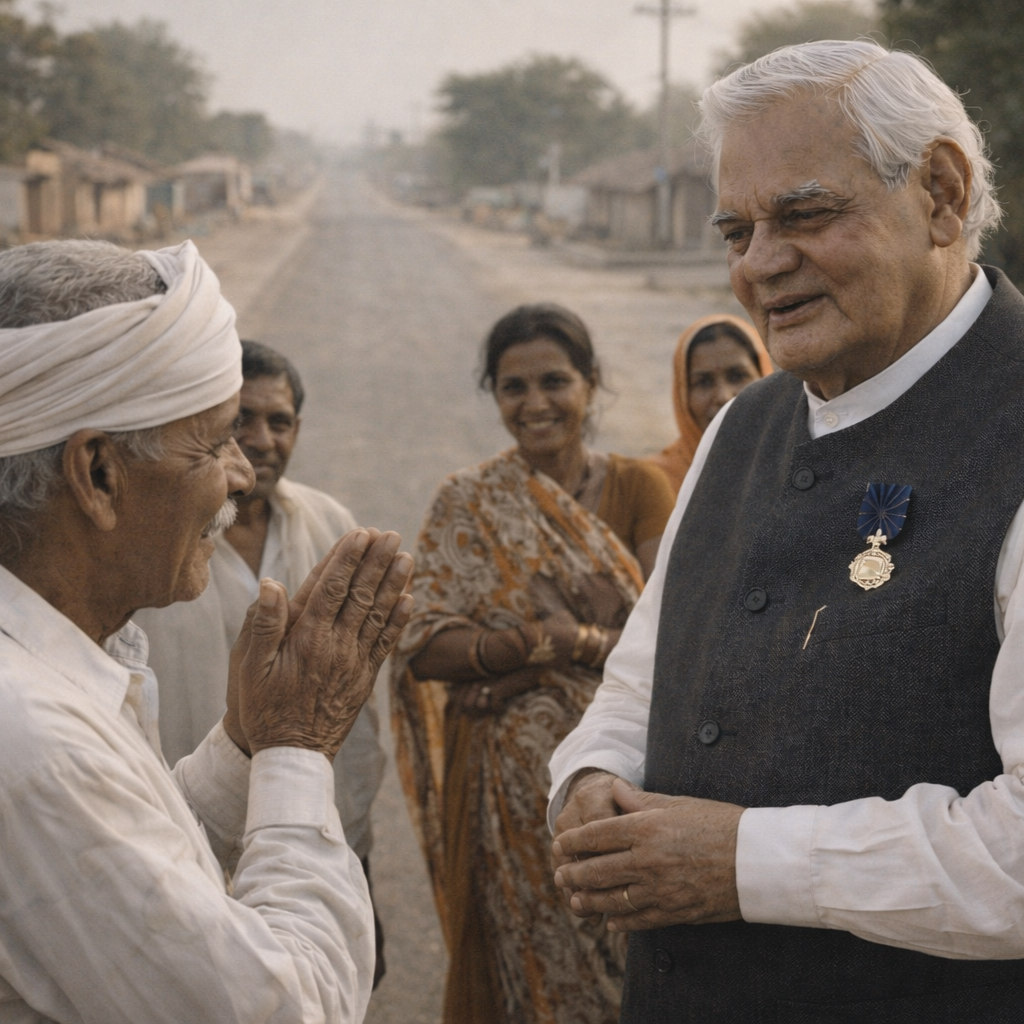
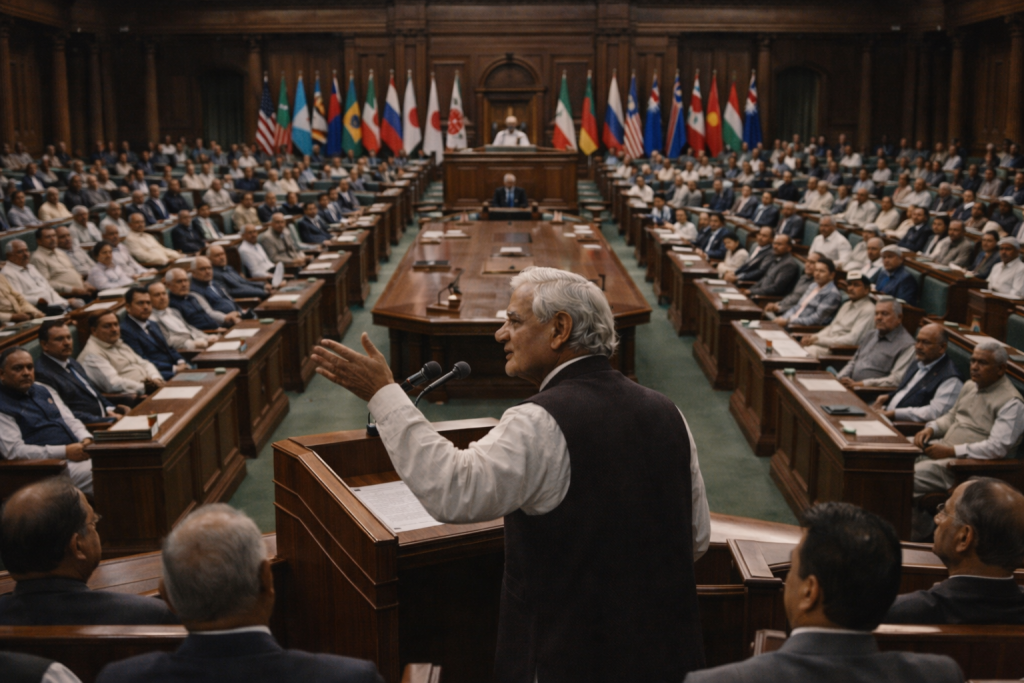
Atal Bihari Vajpayee consistently championed national unity and integration, emphasizing harmony across India’s diverse cultures, religions, and regions. He believed that India’s strength lay in embracing diversity while fostering a shared sense of patriotism and purpose. Through speeches, policies, and literary works, Vajpayee promoted dialogue, understanding, and collaboration among communities, encouraging citizens to rise above divisive politics. His vision of a united India was built on respect for democracy, rule of law, and ethical governance, which guided his approach to national challenges and domestic policy-making.
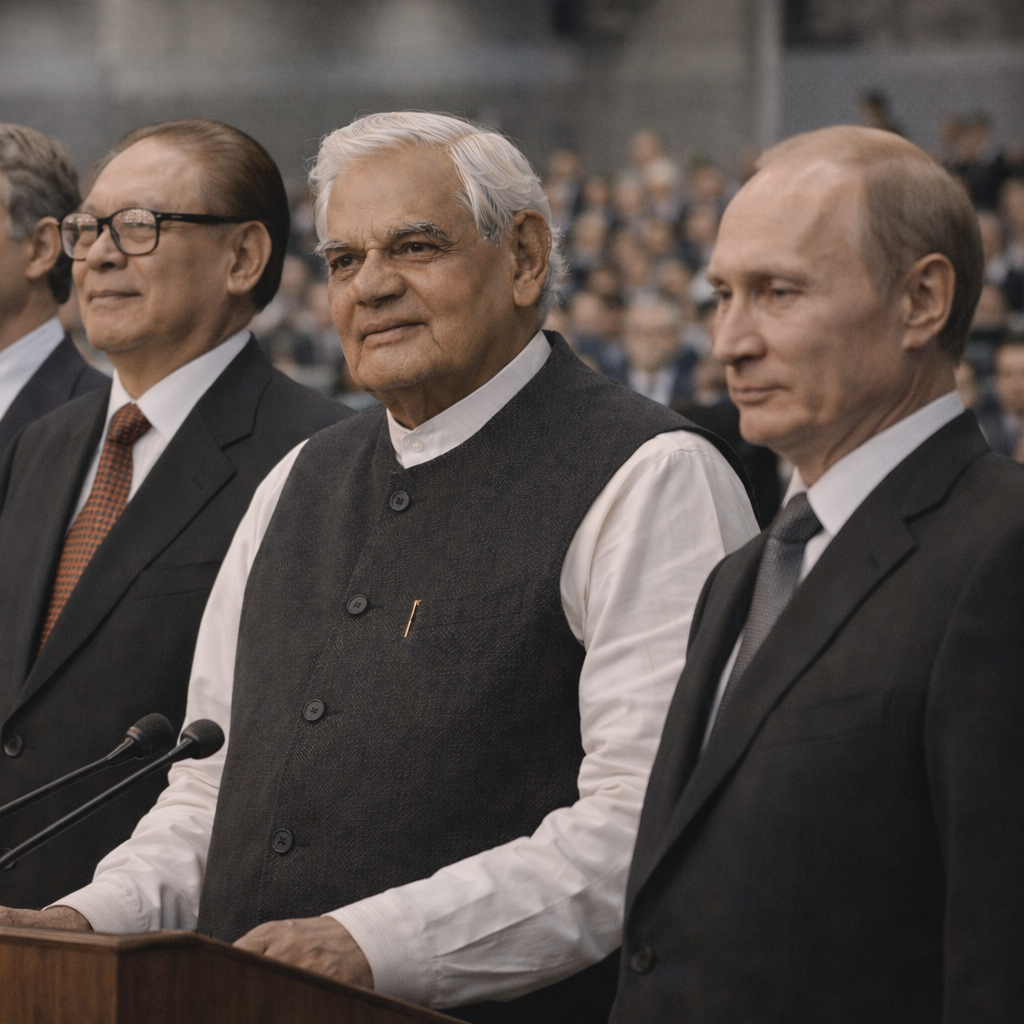
In foreign affairs, Vajpayee pursued a pragmatic, yet principled vision aimed at strengthening India’s global standing while fostering peace with neighbors. He prioritized diplomatic engagement, economic cooperation, and strategic partnerships, while firmly defending national interests. Landmark initiatives included the Lahore Bus Diplomacy with Pakistan, improved ties with the United States, and active participation in global forums like the UN. His foreign policy combined moral clarity, practical diplomacy, and a commitment to regional stability, leaving a legacy of balanced, responsible, and visionary statesmanship.
Economic and infrastructure reforms
Atal Bihari Vajpayee’s tenure as Prime Minister was marked by transformative economic reforms that reshaped India’s growth trajectory. His government focused on liberalization, privatization, and modernization, creating a business-friendly environment and encouraging domestic and foreign investment. Key initiatives included reforming taxation policies, strengthening fiscal discipline, and introducing programs to boost industrial productivity. The introduction of the Fiscal Responsibility and Budget Management (FRBM) Act laid the foundation for fiscal accountability and long-term economic stability. These reforms provided momentum for India’s integration into the global economy and facilitated sustainable growth.
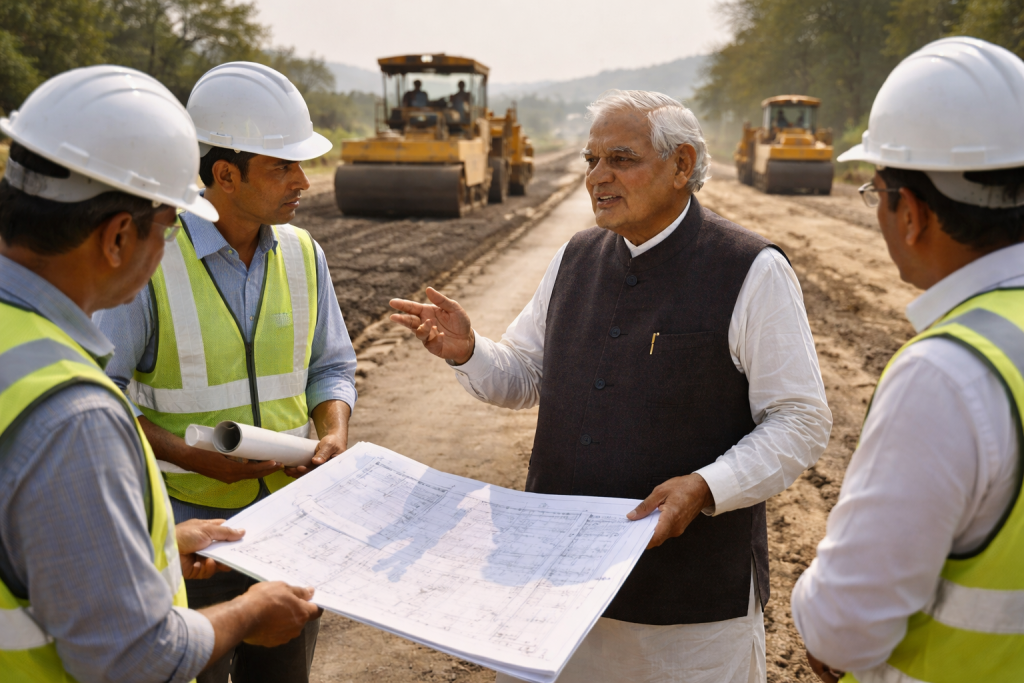
In parallel, Vajpayee spearheaded major infrastructure projects to improve connectivity and national development. The landmark Golden Quadrilateral highway project, modernization of ports, expansion of telecom networks, and rural development schemes like the Pradhan Mantri Gram Sadak Yojana transformed transportation and communication across the country. These initiatives not only enhanced economic efficiency but also created employment, strengthened trade, and connected rural and urban India. Through visionary economic and infrastructure policies, Vajpayee left a lasting legacy of modernization, progress, and nation-building.
Peace Diplomacy & I ndo-Pak Relations
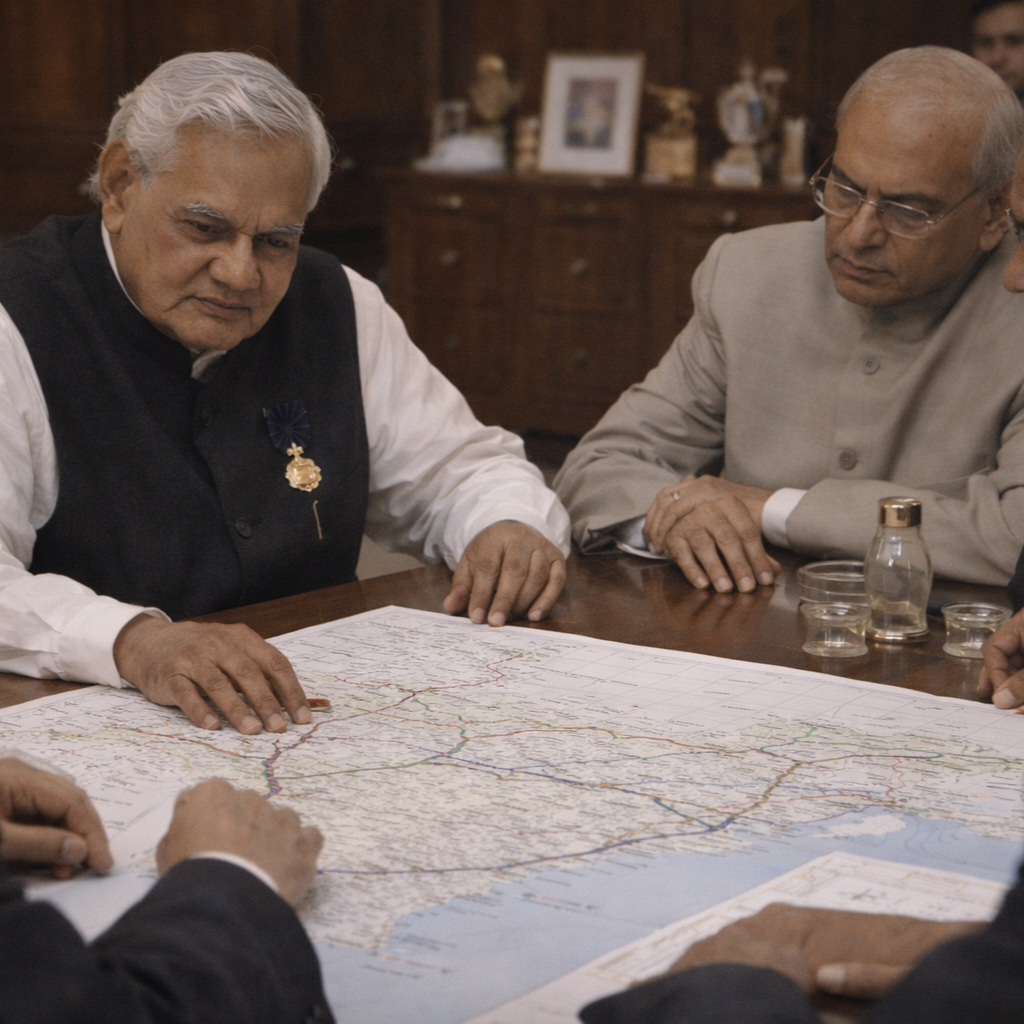
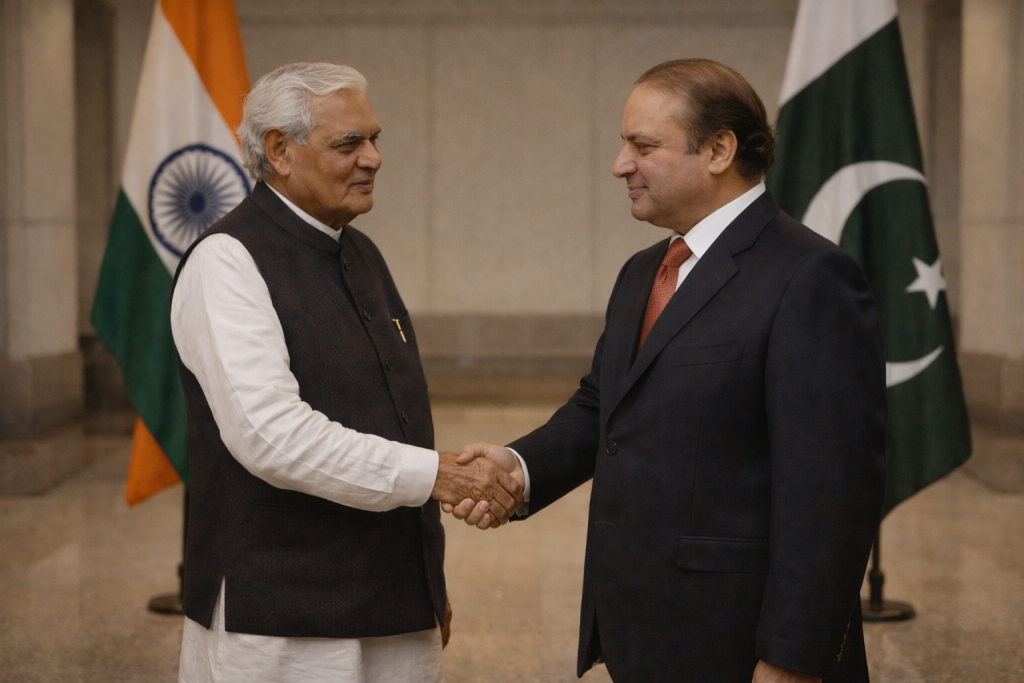
Atal Bihari Vajpayee placed a strong emphasis on peaceful diplomacy and building a stable relationship with Pakistan, while firmly protecting India’s national interests. He believed that dialogue and engagement were crucial for regional stability and long-term peace. His efforts included initiating back-channel talks, fostering cultural exchanges, and promoting people-to-people contact to ease tensions. Vajpayee’s approach was guided by the principle that nations could engage diplomatically without compromising security, demonstrating a rare combination of firmness and conciliation in international relations.
A landmark moment was the Lahore Bus Diplomacy in 1999, where Vajpayee personally traveled to Pakistan to strengthen bilateral ties and advocate reconciliation. Even during periods of conflict, such as the Kargil War, he maintained a commitment to dialogue while ensuring India’s territorial integrity and sovereignty. His visionary diplomacy established a framework of trust, communication, and cautious optimism, leaving a legacy of statesmanship that balanced peace, pragmatism, and national pride.
Technological Advancement and Foreign Policy Vision Nuclear Doctrine
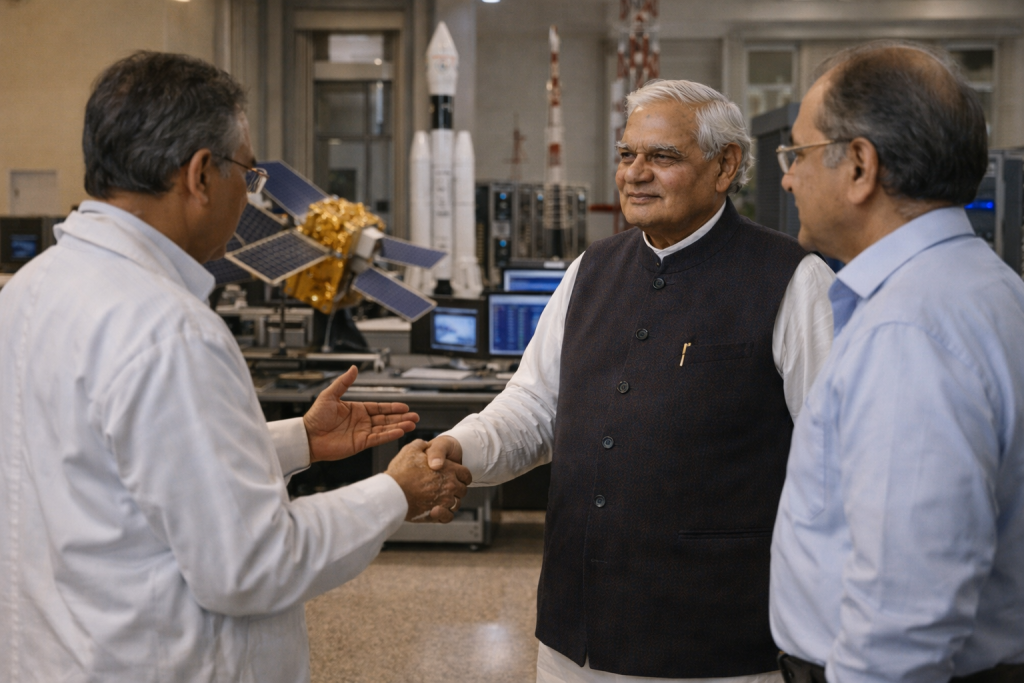
Beyond nuclear capabilities, Vajpayee promoted space research, information technology, and telecommunications growth, laying the foundation for India’s modern technological landscape. His vision integrated technological advancement with economic development, infrastructure modernization, and strategic defense preparedness. By combining innovation, ethical responsibility, and strategic foresight, Vajpayee ensured that India’s technological and nuclear progress strengthened both national security and global recognition, inspiring future generations of scientists, policymakers, and leaders.
Atal Bihari Vajpayee’s tenure saw significant strides in technological development and strategic defense in India. He strongly supported advancements in science, research, and defense technologies, recognizing that a nation’s security and global stature depend on its scientific capabilities. Under his leadership, India achieved landmark milestones, including the successful Pokhran-II nuclear tests in 1998, which established India as a responsible nuclear power and sent a strong message of deterrence to the world. Vajpayee emphasized that India’s nuclear program was for peaceful purposes and national security, reinforcing a doctrine of credible minimum deterrence.